


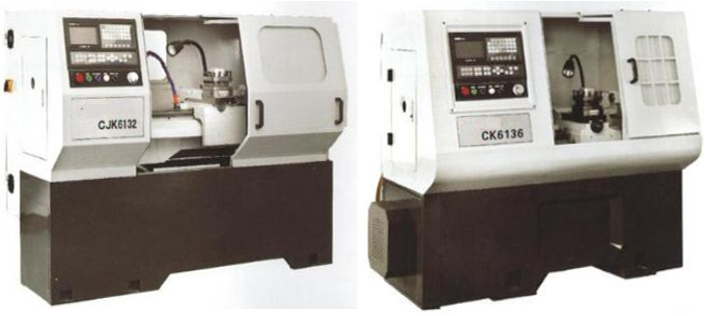
Different Types of Lathe Machines Used in Industry: Applications in Mining, Shipping, Power Plants & Workshops
Exploring Lathe Machines in Key Industries
Lathe machines stand as foundational tools in modern manufacturing, enabling precise shaping of materials through rotation and cutting. This article delves into the diverse types of lathe machines used across industries, highlighting their specific applications in mining, shipping, power plants and workshops. By understanding these machines’ roles, industries can optimize operations for efficiency and durability.
Role of Lathe Machines in Industrial Settings
Lathe machines rotate workpieces against cutting tools to create cylindrical parts, a process essential for producing components with tight tolerances. In heavy industries, these machines handle everything from simple turning to complex threading, supporting production lines that demand reliability under tough conditions. Their versatility makes them indispensable, whether crafting shafts for engines or custom fittings for equipment maintenance.
Different configurations suit varied workloads, allowing operators to select based on material type, size and precision needs. For instance, traditional models excel in basic tasks, while advanced versions incorporate computer controls for automation. This adaptability ensures lathe machines remain relevant in evolving industrial landscapes, from resource extraction to energy generation.
 Request a Call Now!
Light Duty Lathe Machines for Precision Tasks
Light duty lathe machines offer agility for smaller-scale operations, ideal where finesse trumps brute force. These compact units shine in workshops handling prototypes or intricate parts, such as valve fittings or small gears. Their design emphasizes ease of use, with simpler controls that suit skilled artisans or entry-level setups.
In shipping repair yards, light duty lathe machines prove invaluable for on-site fixes, turning down propeller shafts or crafting replacement bushings without dismantling large assemblies. Operators appreciate their portability, moving them between vessels for quick interventions. Similarly, in power plant maintenance bays, they refine control rods or sensor housings, ensuring components fit seamlessly during downtime.
Workshops benefit from their low power draw, fitting into space-constrained environments while delivering smooth finishes on softer metals. Light duty lathe machines bridge the gap between manual craftsmanship and semi-automated processes, fostering innovation in custom fabrication.
Medium Duty Lathe Machines in Everyday Production
Medium duty lathe machines strike a balance, tackling moderate volumes with consistent performance. Built for endurance, they process mid-sized workpieces like pump housings or axle components, common in routine industrial flows. Their robust beds and spindles absorb vibrations, maintaining accuracy over extended runs.
Mining operations rely on medium duty lathe machines to refurbish drill bits and conveyor rollers, extending equipment life in harsh underground conditions. These machines turn worn surfaces back to spec, minimizing downtime in high-stakes extraction sites. In shipping, they shape stern tube bearings or rudder stocks, supporting vessel overhauls that keep fleets operational.
Power plants use them for turbine blade roots or generator shafts, where precision aligns with safety standards. Workshops integrate medium duty lathe machines into assembly lines, producing batches of fittings that feed larger manufacturing chains. This reliability makes them a staple for growing operations seeking value without excess capacity.
Heavy Duty Lathe Machines for Demanding Workloads
Heavy duty lathe machines dominate in environments requiring raw power for large diameters and tough materials. With reinforced frames and high-torque drives, they manage oversized jobs like rolling mill rolls or heavy forgings. Their stability prevents deflection, crucial for maintaining form on massive pieces.
In mining, heavy duty lathe machines recondition crusher mantles and haul truck axles, handling abrasive wear from rock processing. These beasts restore functionality to equipment battered by constant use, boosting site productivity. Shipping docks employ them for propeller shafts or anchor windlass drums, where scale and strength are non-negotiable.
Power plants turn to heavy duty lathe machines for rotor forgings or boiler drums, ensuring components withstand extreme pressures and temperatures. Workshops servicing industrial giants value their capacity for one-off repairs on legacy machinery. Overall, heavy duty lathe machines embody resilience, tailored for sectors where failure isn’t an option.
Our Other Product
All Geared Radial Drilling MachinesExtra Heavy Duty Lathe Machines in Extreme Applications
Extra heavy duty lathe machines push boundaries, designed for the largest workpieces and hardest alloys. Featuring massive chucks and extended beds, they excel in forging massive hubs or turbine casings. Their engineering focuses on rigidity, countering forces that would warp lesser models.
Mining giants use extra heavy duty lathe machines to machine dragline buckets or mill liners, confronting the scale of open-pit operations. In shipping, they handle mega-yacht keels or offshore platform legs, demanding precision at monumental sizes. Power plants rely on them for nuclear reactor vessels or hydroelectric turbine runners, where every micron matters for integrity.
Workshops specializing in heavy engineering integrate extra heavy duty lathe machines for bespoke projects, like wind tower bases. These machines represent the pinnacle of lathe technology, enabling industries to tackle projects once deemed impossible.
Flat Bed CNC Lathe Machine for Stable Operations
Flat bed CNC lathe machines combine computer precision with a horizontal bed layout, promoting chip evacuation and operator access. Ideal for long, slender parts, they automate repetitive cycles while allowing manual overrides. This hybrid appeal suits industries blending tradition with tech.
In mining workshops, flat bed CNC lathe machine units program sequences for batch-turning ore cart wheels, reducing setup times. Shipping facilities program them for bulk production of coupling flanges, streamlining dry-dock workflows. Power plants leverage their repeatability for steam valve stems, ensuring uniformity across fleets of units.
The flat bed design enhances rigidity for interrupted cuts, common in roughing oversized stock. Workshops appreciate the intuitive controls, easing transitions for operator’s up skilling in CNC environments.
Read Our Article
Growing Demand for All Geared Lathe Machines in Global MarketsSlant Bed CNC Lathe Machine for High-Speed Efficiency
Slant bed CNC lathe machines angle the bed for gravity-assisted chip flow, boosting throughput in high-volume settings. Their compact footprint and rapid tooling changes accelerate cycles, perfect for dynamic production. Enhanced rigidity from the sloped structure minimizes distortion during aggressive feeds.
Mining repair shops deploy slant bed CNC lathe machine setups for conveyor idlers, handling high-speed passes on heat-treated steels. In shipping, they machine tailshaft sleeves en masse, supporting just-in-time inventories. Power plants use them for exciter shafts, where speed meets precision for auxiliary systems.
Workshops favor slant bed CNC lathe machines for their ergonomics, reducing fatigue in prolonged shifts. This design evolves CNC lathe capabilities for modern paces.
Vertical Turning Lathe for Tall Workpieces
Vertical turning lathe machines orient the spindle upward, leveraging gravity to secure heavy, tall parts like flywheels or flanges. This configuration excels in ring-shaped components, eliminating sagging issues of horizontal setups. Self-centering chucks simplify loading for bulky items.
Mining operations turn vertical turning lathe units toward grinding wheel arbors or screen plates, managing heights impractical for flat machines. Shipping builds with them for bulkhead rings or thruster housings, fitting naval architecture needs. Power plants craft impeller hubs or pressure vessel nozzles, aligning with vertical assembly flows.
Workshops handling cylindrical towers integrate vertical turning lathe machines for seamless workflows. Their footprint efficiency suits crowded floors, maximizing vertical space.
Read Our Article
Impact of CNC Lathe Machines on Small and Medium EnterprisesAll Geared Lathe Machines for Versatile Power
All geared lathe machines transmit power through a full gear train, delivering smooth speed ranges without belts. This setup ensures consistent torque across threads and feeds, vital for multi-step jobs. Their mechanical simplicity aids maintenance in remote sites.
In mining, all geared lathe machines thread casing pipes or knurl tool shanks, powering through interruptions. Shipping mechanics use all geared lathe machine variants for winch drums, matching variable pitches. Power plants gear them for worm shafts in gearboxes, sustaining loads.
Workshops value all geared lathes for educational setups, teaching fundamentals with industrial grit. Durability defines their edge in mixed-duty cycles.
CNC Lathe Machine Innovations Across Sectors
CNC lathe machines revolutionize control with programmable axes, enabling complex contours via G-code. Multi-tool turrets cut cycle times, integrating milling ops. Live tooling expands to polygons and cross-drills.
Mining fabs employ CNC lathe machine systems for custom rock bits, simulating profiles digitally. Shipping yards program CNC lathe setups for bespoke rudders, iterating designs swiftly. Power plants simulate stress paths on rotor disks beforehand.
Workshops scale CNC lathe machine adoption for prototyping, feeding R&D pipelines. Automation elevates them beyond basics.
Spotlight on Yash Machine Tools as Premier Suppliers
When sourcing reliable equipment, Yash Machine Tools, a reliable lathe machine suppliers stand out in India, exporting high-quality tools worldwide. As trusted lathe machines manufacturers, they craft a broad portfolio addressing diverse needs, from CNC lathes to vertical turning lathes.
Their lineup features standout options like the flat bed CNC lathe machine for stable, chip-friendly turning, alongside the slant bed CNC lathe machine for rapid production. All geared lathe machine models deliver geared precision, while medium duty lathe machine and heavy duty lathe machine variants suit scaled workloads. Light duty lathe and extra heavy duty lathe options round out coverage, including the versatile CNC lathe machine and all geared lathe machines.
Yash Machine Tools extends beyond lathes to machining centers, turning centers, slitting machines and CNC milling machines, all engineered for peak performance in milling, drilling and more. Their focus on precision specs, durability and competitive pricing ensures industries – from mining to power – gain long-term value. Clients worldwide praise the robust design that withstands demanding tasks, making a go-to for workshops optimizing output without premium costs.
Applications in Mining: Tailored Durability
Mining demands lathes that endure dust, vibration and abrasion. Heavy and extra heavy duty models recondition excavator pins, while CNC variants batch-produce wear parts. Vertical turning lathes handle massive gears, aligning with haulage scales.
Workshops on-site prioritize quick setups, using medium duty lathe machines for rollers. All geared lathe machines thread hydraulic fittings reliably. This ecosystem sustains continuous extraction.
Shipping Industry: Precision for Maritime Reliability
Shipping requires lathes for propulsion and hull components. Slant bed CNC lathes speed shaft production, flat bed CNC lathe machines ensure straightness. Vertical turning lathes shape propellers symmetrically.
Drydocks favor heavy duty lathe machines for rudders, light duty lathe machines for instruments. Durability combats saltwater corrosion, keeping vessels seaworthy.
Power Plants: High-Stakes Component Crafting
Power plants need lathes for rotors, valves and casings under thermal stress. CNC lathe machines simulate loads, all geared lathe machine models cut threads precisely. Extra heavy duty lathes manage generator stators.
Maintenance bays use medium duty lathe machines for auxiliaries, vertical turning lathe for domes. Precision prevents outages in critical infrastructure.
Workshops: Flexible Hubs for Fabrication
Workshops thrive on versatile lathes, mixing light duty lathe machine for prototypes with heavy duty lathe for repairs. CNC integration automates customs, slant bed CNC lathe machine boosts volume.
They serve as innovation centers, testing designs before scale-up. This adaptability fuels local manufacturing ecosystems.
Lathe machines evolve with industry, blending tradition and tech for sustained impact. Their targeted applications underscore versatility across sectors.
Conclusion: Driving Industrial Excellence Forward
In summary, the array of lathe machines – from light duty lathe to extra heavy duty variants, including advanced flat bed CNC lathe and slant bed CNC lathe options – powers critical applications in mining, shipping, power plants and workshops. Leading lathe machine suppliers like Yash Machine Tools ensure access to durable, high-performance models that meet diverse needs. By selecting the right type, industries enhance productivity, reduce downtime and achieve superior precision. As manufacturing evolves, these machines continue to form the backbone of reliable operations, promising sustained innovation and efficiency across global sectors.
- Top Reasons Workshops Upgrade to CNC Swing Beam Shearing Machines
- Flat Bed CNC Lathe vs. Slant Bed CNC Lathe: Which One Is Right for Your Machining Needs?
- All Geared Radial Drilling Machines for Gulf Industries: Built for Heavy-Duty Precision
- CNC Bending Machines: A Complete Guide to Modern Sheet Metal Bending Technology
- CNC Press Brake Machines: Powering Precision Sheet Metal Bending in Modern Manufacturing


