The Mechanical Press Brake Machine
The press brake is a mechanical piece of equipment used to bend sheet metal or large objects. It consists of two C-frames with a moving beam at the top. The top tool is mounted on a table while the bottom tool is fixed to the upper beam. The press brake can bend metals that are 10 inches thick or longer. The depth of punch motion can control the angle of the bend. The most common type of press brake is a CNC Controller, although there are manual machines available as well.
The Y-axis is the most common axis of control, while the X-axis is used to adjust the press brake’s tension. The Y-axis is used for tensioning. Aside from that, the different axes of motion of the press brake can also be controlled independently. It is vital to understand the different tolerances for different types of tooling. A good operator knows how to use these differences.
The Y-axis is the most common and versatile of bending machines. Aside from providing a precise level of tension, the Y-axis controls the speed of the press. The Z-axis controls adjust the pressure of the Y-axis. Then, the machine sends data to the back gauge to control the bending process. The Y-axis is also used to control the tangential and rotational movements of the press brake.
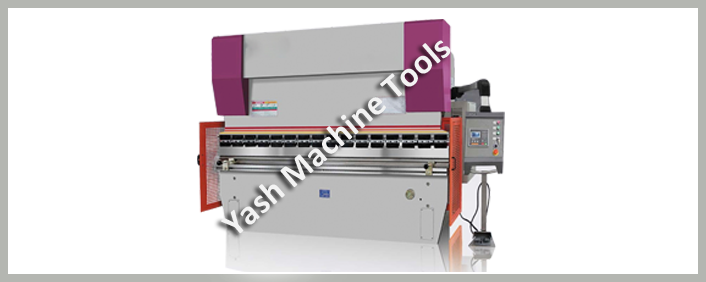
A press brake machine has three major components: a workbench, a hydraulic system, and a ram guide. The workbench is the part where the sheet metal is bent. The press plate is on the base and is equipped with die cushions. The upper and lower dies shape the sheet metal. The ram guide holds the sheet metal in place and feeds it between the bolster plate and ram guide.
The hydraulic press brake is an effective way to bend sheets. It is an effective tool for bending sheet metal, but it also has the advantage of allowing for more precise bending. The hydraulic model can be customized to accommodate different workpiece thicknesses. This type of machine is the most popular choice for sheet metal fabrication. It is highly versatile and is used in many industries. Aside from bending sheet metal, it can be used to manufacture various products.
The hydraulic press brake comes in two types – downward and upward. Its main components are brackets, workbenches, and clamping plates. The working table sits on the front support and is connected to the clamping plate by hinges. A coil is placed in a depression or a recess in the base of the V. The cover plate covers the top of the depression. The pressure exerted by the hydraulic system is applied to the sheet.

Mr. Yash Shah brings extensive knowledge of workshop machinery and precision engineering to his writing, drawing on years of hands-on exposure to the machine tools industry. He writes on a broad spectrum of equipment, including Lathe Machines, Radial Drilling Machines, Milling Machines, CNC Machines, Grinding Machines, Boring Machines, Planing Machines, and other workshop machinery essential to modern manufacturing. His articles focus on practical applications, machine selection, and the role these tools play in improving shop-floor efficiency and production quality. Mr. Shah is associated with Yash Machine Tools, a trusted name in the manufacturing and supply of workshop machinery, known for delivering reliable, industry-grade solutions to clients across India and abroad.
Summarize with AI:




Listen Article:
- Planing Machines and CNC Cutting Machines: Types, Features and Industrial Applications
- Welding Machines: Types, Applications and How to Choose the Right Welder for Your Workshop
- Types of Workshop Machinery: Milling, Grinding, Bandsaw and Tool Room Machines Explained
- Sheet Metal Machines: Types, Applications and How to Choose the Right One
- Drill Machine: Types of Drilling Machines and Their Industrial Applications
- Milling Machines in Modern Industry: Applications, Types and How to Choose the Right One for Your Workshop