What Is a Press Brake?
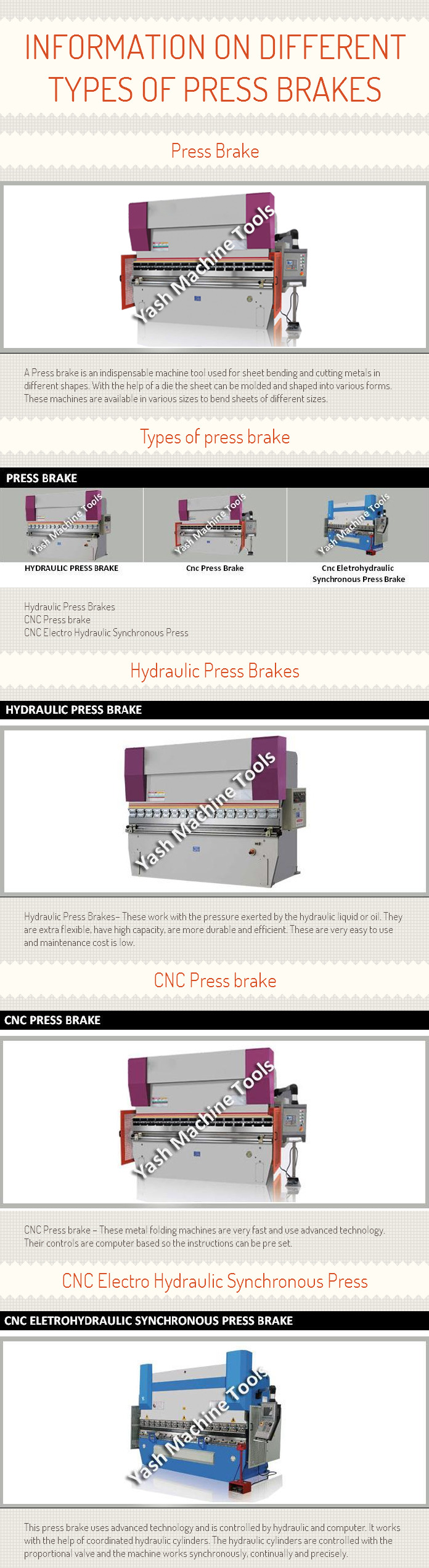
A press brake is a manufacturing tool that can bend large pieces of sheet metal. The machine operates by dropping a punch onto the sheet metal and raising a die. The sheet metal is bent in multiple steps until it achieves the desired shape and form. It is also useful for bending a wide variety of metals, including wire, cable, and wire rope. In the early years of manufacturing, the press brake was often used to make mirrors, which required a mirror.
The press brake consists of two C-frames, one at the bottom and one at the top. The table is the work area while the upper beam is mounted on the movable beam. The press brake is a complex machine, which requires careful adjustment for grain direction and thickness of material. In addition, a world-class bender must understand the tooling used to make a bend and choose the correct punch and die for a specific application.
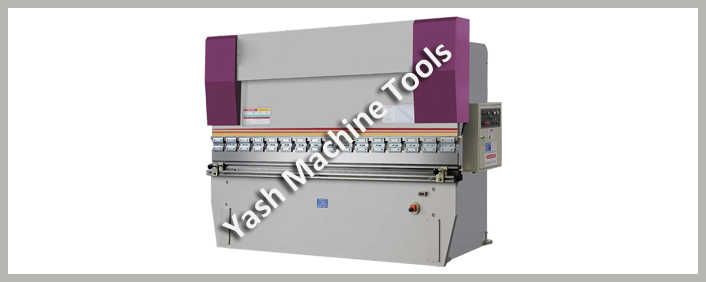
The accuracy of a press brake part depends on the hardness of the material, its yield strength, and its springback. The outfitting of a press brake determines how it handles deviations in a material. For example, a machine made from 10 gauge mild steel can run 1/2″ x 10′ plates, but if the material is thicker, the defect will be more pronounced. A good quality machine is capable of running half-inch X 10′ plates.
The 80/20 rule of machinery buying applies to press brakes. The principle states that you should buy a press brake for 80% of the amount of work it can handle, and do not chase the other 20%. For example, a 10 gauge mild steel press brake can run half-inch x ten feet of plate. This would triple the size of the machine, and the same goes for larger plates. The Y axis controls vertical motion of the moving beam.
A press brake’s cylinders are independently controlled by a servo valve and a control circuit. A hydraulic press brake can produce parts of different sizes, so if you have a small production line, you should consider investing in a press brake with a hydraulic system. This is a better option for companies that want to create parts in small batches. As long as you are familiar with the components, you can learn to operate a press brake.
Using a press brake is not for everyone. But if you are interested in the technology, a press brake may be the perfect career for you. The advantages of this machine include a large range of applications, as well as a wide range of potential uses. It’s also possible to get a certification as a press brake operator, and in some cases, it’s the only requirement for working in the field. The training is necessary to maintain a high-quality product.

Mr. Yash Shah brings extensive knowledge of workshop machinery and precision engineering to his writing, drawing on years of hands-on exposure to the machine tools industry. He writes on a broad spectrum of equipment, including Lathe Machines, Radial Drilling Machines, Milling Machines, CNC Machines, Grinding Machines, Boring Machines, Planing Machines, and other workshop machinery essential to modern manufacturing. His articles focus on practical applications, machine selection, and the role these tools play in improving shop-floor efficiency and production quality. Mr. Shah is associated with Yash Machine Tools, a trusted name in the manufacturing and supply of workshop machinery, known for delivering reliable, industry-grade solutions to clients across India and abroad.
Summarize with AI:




Listen Article:
- Planing Machines and CNC Cutting Machines: Types, Features and Industrial Applications
- Welding Machines: Types, Applications and How to Choose the Right Welder for Your Workshop
- Types of Workshop Machinery: Milling, Grinding, Bandsaw and Tool Room Machines Explained
- Sheet Metal Machines: Types, Applications and How to Choose the Right One
- Drill Machine: Types of Drilling Machines and Their Industrial Applications
- Milling Machines in Modern Industry: Applications, Types and How to Choose the Right One for Your Workshop